

Sustainability · 2025
In this section50 topics
- Sustainability Policy2 items
- Sustainability Goals & UN SDGs1 item
- Policy Review2 items
- Business Value Chain1 item
- Stakeholder Analysis1 item
- Environmental Sustainability — Overview1 item
- Environmental Policy & Guidelines3 items
- Environmental Policy Review1 item
- Energy — Plan & Guidelines1 item
- Energy — Electricity Consumption1 item
- Energy — Fuel Consumption1 item
- Energy — Targets1 item
- Energy — Performance & Outcomes1 item
- Water — Plan & Guidelines2 items
- Water — Withdrawal, Discharge & Consumption1 item
- Water — Targets1 item
- Water — Performance & Outcomes2 items
- Waste — Plan & Guidelines2 items
- Waste — Generation, Disposal & Recycling1 item
- Waste — Targets1 item
- Waste — Performance & Outcomes2 items
- GHG — Plan & Guidelines2 items
- GHG — Emissions1 item
- GHG — Emissions Verification1 item
- GHG — Principles & Standards1 item
- GHG — Targets1 item
- GHG — Performance & Outcomes1 item
- Environmental Legal Incidents1 item
- Social Policy & Guidelines3 items
- Social Policy Review3 items
- Social — Principles & Standards Practised1 item
- Human Rights Due Diligence2 items
- Employees — Plan & Guidelines3 items
- Employees — Workforce1 item
- Employees — Remuneration & Provident Fund1 item
- Employees — Training & Development1 item
- Employees — Occupational Health & Safety1 item
- Employees — Labour Relations1 item
- Employees — Employee Representation3 items
- Employees — Targets1 item
- Employees — Performance & Outcomes2 items
- Customers — Plan & Guidelines3 items
- Customers — Satisfaction Results1 item
- Customers — Targets1 item
- Customers — Performance & Outcomes2 items
- Community & Social — Plan & Guidelines3 items
- Community & Social — Targets1 item
- Community & Social — Performance & Outcomes2 items
- Other Social Management1 item
- Law Violation Incidents1 item
Sustainability Policy
Has a Sustainability Policy
Yes
Policy Description
The Company recognizes the importance of conducting business responsibly while considering the interests of all stakeholders, including shareholders, financial institution creditors, customers, partners, employees, communities, society and the environment, as well as relevant government agencies and state organizations. The Company is committed to advancing its business toward sustainable development by integrating sustainability objectives into its corporate strategy. This approach aims to create a balance between the Company’s development and growth, good corporate governance, risk management, operational efficiency, and shared value creation with stakeholders. In this regard, the Company has established the following sustainability management policies:
Economic and Good Corporate Governance Dimension
Conduct business with integrity, transparency, and strict adherence to relevant laws and regulations.
Prioritize business ethics and anti-corruption practices.
Ensure good corporate governance and conduct business ethically, respect rights, and treat all stakeholders equally and fairly, as well as create and maintain strong operating performance, and build financial stability and sustainability for the Company.
Develop the Company’s growth strategies for sustainable growth by placing importance on risk management that covers the business value chain and maintaining effective internal management that can adapt to various changes.
Commit to developing quality products and services by supporting the continuous development of innovation and technology in business operations in order to meet and create customer satisfaction, as well as to enable the Company to grow sustainably alongside society and the environment.
Environmental Dimension
Acknowledge and prioritize conducting business in a way that has not impact on the environment.
Optimize resource utilization and promote practices aimed at reducing resource and energy consumption, as well as preventing pollution and lowering greenhouse gas emissions, in order to mitigate environmental, community, and societal impacts.
Uphold a strong commitment to full compliance with environmental laws and regulations.
Social
Uphold human rights and dignity by treating all employees and workers fairly and equitably, offering equal opportunities, assigning tasks based on capabilities, and providing appropriate compensation.
Encourage continuous development of employees’ knowledge and skills at all levels to build a high-quality workforce for society. Additionally, the Company focuses on creating jobs, generating income, and contributing to community development, ultimately supporting the creation of a sustainable society.
Provide appropriate welfare, healthcare, safety, occupational health, and a conducive working environment for all employees.
Place importance on collaborating with communities and society to ensure that the Group, communities, and society develop together continuously.
Additionally, the Company is deeply committed to conducting its business in a way that creates shared value and enhances the quality of life for communities, society, and the environment. aligns with the Company’s strategy and vision of being “the leader in innovative products and services, creating happiness for every household.” Be ready to operate in accordance with good corporate governance principles and support operations in line with the United Nations Sustainable Development Goals (Sustainable Development Goals: SDGs) in order to create stability, security, and sustainability for the Group’s business in response to global changes, trends, and sustainability directions, as well as the needs and expectations of all stakeholder groups. Therefore, the sustainability strategic direction has been established, consisting of three strategic areas as follows:
Business Excellence for Prosperity
Drive business growth with stability and sustainability by enhancing the efficiency of work processes across the entire supply chain, foster innovation in products and services that align with the operational needs of the business, while creating value for society and the environment.
SDG 8: Decent Work and Economic Growth
SDG 9: Industry, Innovation and Infrastructure
SDG 12: Responsible Consumption and Production
Safety for People Take into consideration the creation of safety for all stakeholder groups from products and services in accordance with standards, comply with human rights principles in all operations of the Company equally and fairly, including developing the potential of all groups of people to create shared value in society sustainably.
SDG 3: Good Health and Well-being
SDG 4: Quality Education
SDG 5: Gender Equality
SDG 8: Decent Work and Economic Growth
SDG 10: Reduced Inequalities
Future for Planet The Company is committed to preserving environmental resources through the responsible and sustainable use of resources across the supply chain. It encourages employees to recognize the importance of natural resources and contribute to the well-being of communities and society for the future.
SDG 12: Responsible Consumption and Production
SDG 13: Climate Action
SDG 7: Affordable and Clean Energy
These three strategic pillars will be implemented under the guiding principles of Building Trust, Driving Performance. The Company understands that good corporate governance is essential for promoting effective, fair, and sustainable operations, ultimately delivering maximum benefits to all stakeholders.
Sustainability Goals & UN SDGs
Has Sustainability Goals
No
Policy Review
Policy Reviewed This Year
No
Policy Changed This Year
No
Business Value Chain
Value Chain Description
The Company acknowledges the significance of its relationships with stakeholders in all activities related to its business operations, spanning from the upstream to the downstream in the supply chain. The Company is dedicated to creating value in its products and services to meet the expectations of all stakeholders. In this regard, the Company has therefore established guidelines for managing impacts on stakeholders in the business value chain in order to achieve sustainable development, create a balance in the economic, social, and environmental dimensions throughout the supply chain, and bring maximum benefits to all stakeholder groups as follows:
Core Activities in Managing the Business Value Chain
The Company’s core business value chain comprises 5 key activities, as depicted in the diagram below. These activities are interconnected, forming the Company’s overall business operations. The management approach for each of these 5 activities are outlined below:
Procurement of Raw Materials (Supplying)
The Group of Companies is an authorized fuel trader under Sections 7 and 11, respectively, and directly sources LPG products from reliable gas separation plants and refineries that meet industry standards and are registered with the Department of Energy Business. Additionally, the Company diversifies its LPG procurement from multiple refineries to build strong relationships with other Section 7 traders and to reduce the risks associated with relying on a limited number of suppliers.
The Company evaluates LPG cylinder procurement by comparing prices based on global steel market trends and estimated sales figures. The company engaging in discussions with suppliers, the Company ensures the continuous development of production plans and orders for cylinders, allowing it to control procurement costs and ensure a steady supply of cylinders for long-term operations.
Transportation (Logistics)
The Company utilizes certified transport services to deliver LPG to LPG depots, LPG filling plants, LPG service stations, and gas shops with a strong emphasis on maintaining quality, security, occupational health and safety, and environmental standards (QSSHE).
Under-cost management is optimized through planning, forecasting, coordination, and transport operations based on international standards, reliable delivery and service efficiency.
Storage
The Company selects LPG depot service providers that use modern technology, are capable of supporting comprehensive LPG transportation and transshipment, and maintain high levels of safety in accordance with international standards, in order to ensure that operations in terms of LPG storage, filling, and transportation are safe and environmentally friendly to surrounding communities.
The Company conducts inspections of LPG depot facilities and LPG filling plants to ensure compliance with standards. The Company also has safety inspection measures for LPG service stations to report abnormal incidents at LPG service stations to management so that corrective actions can be followed up in a timely manner. In addition, emergency response drills are conducted together with communities to prevent undesirable incidents that may occur and affect the community. The Company also organizes corporate social responsibility (CSR) activities to build good relationships with surrounding communities.
Operations
The Company has adopted modern technology in the LPG filling process, such as establishing weight inspection points and recording data in the system to ensure that LPG cylinders leaving the filling plant for sale comply with standards. This enables the Company to deliver quality products and standardized services to customers. The Company also provides regular training and development for personnel within the filling plants.
The Company continuously improves the management processes of its service stations, particularly the services provided by employees at the stations. The Company arranges regular training and on-the-job training at service stations and conducts service quality inspections on a quarterly basis. In addition, channels for receiving customer complaints are established in order to improve and develop services continuously. This is considered an important measure that will drive the Company to achieve its goal of professional management and maximize customer satisfaction.
The Company places importance on the safety of gas shops and the transportation of LPG cylinders to shops and customers. Employees at gas shops and personnel responsible for transporting LPG cylinders receive safety training to establish safety standards in service operations.
Marketing and Services
The Company is involved in the distribution of LPG to various sectors, including: 1) the household sectors, in the form of LPG cylinders; 2) the automotive sectors, through LPG service stations, as well as providing management services for oil sales at these stations; and 3) the industrial sectors, in the form of LPG transported via dedicated LPG trucks. Since the Company's products are comparable to those of other industry players, it focuses on differentiation by emphasizing superior service quality and addressing customer needs effectively. The Company ensures that it only sells products that meet the highest standards and continues to expand its network and distribution channels to reach the largest possible customer base. Furthermore, the Company aims to broaden its customer base by targeting those who have a genuine need for and demand its products and services.
Supporting activities of the Group in managing the business value chain
Supporting activities that enable the Group’s core operations to be carried out continuously and efficiently consist of 4 key activities as follows:
Human Resource Management (Human Resource)
The Company recognizes that its employees are the most valuable resource for driving business success. It is committed to the belief that the organization's growth is directly tied to the quality and capabilities of its personnel. As such, the Company places a high priority on managing human resources, focusing on employee welfare, potential development, motivation, and engagement. Cultivating organizational values is at the heart of building a strong company culture, while ensuring equal and fair treatment for all employees.
The Company has also placed significant emphasis on diversifying its recruitment channels to ensure it can attract suitable and capable talent to join the team. This includes: 1) Collaborating with local employment offices in various provinces to recruit personnel, supporting the Company’s business expansion in these regions. 2) Hiring local residents to create job opportunities within the community, enabling employees to live closer to their families. This initiative also fosters a service-oriented mindset, encouraging staff to treat customers like family (Service Mind).
Technology Development
The Company has incorporated advanced information technology systems into its operations, establishing a robust infrastructure that supports its growth strategy. These technological advancements enhance operational efficiency, reduce costs, and boost the Company's competitiveness. They enable the Company to consistently meet the increasing demand for its products and offer a wide range of services swiftly and effectively. The Company is committed to continuously evaluating and developing its information systems to adapt to evolving market conditions and to enhance long-term competitive advantages.
Procurement
The Company has a policy on procurement and supplier selection in a systematic, fair, and transparent manner, supporting suppliers that conduct business ethically, with a commitment to operating the business for sustainable growth with transparency and integrity in compliance with laws. The Company also places importance on good corporate governance principles and social responsibility by conducting business operations in accordance with legal requirements, the Company’s code of conduct, as well as international standards. This will help drive the Group’s suppliers to conduct business ethically, respect human rights, demonstrate responsibility toward society and the environment, and comply with occupational health, safety, and environmental standards in order to create sustainability in business operations throughout the supply chain, enhance competitiveness, and strengthen long-term growth together.
Infrastructure
The Company has established processes to oversee, develop, and improve key processes and systems in the Group’s business operations to remain modern at all times so that development can be carried out rapidly, accurately, precisely, and efficiently, including:
Information and Communication Technology (ICT) through operations, monitoring, control, and security management of information technology, such as Penetration Testing and Vulnerability Assessment of information systems.
Development of the risk management system in accordance with international standards so that the Company can manage risks within an acceptable level, serving as an important tool for business decision-making and supporting sustainable growth.
Development of the accounting and financial systems by applying technology in operations in order to reduce redundancy in work processes as well as reduce errors that may occur in operations.
Development of the human resource management information system and communication systems both internally and externally within the organization.
Stakeholder Analysis
Stakeholder Analysis
| Stakeholder Type | Stakeholders | Stakeholder Expectations | Response to Expectations | Communication Activities |
|---|---|---|---|---|
| Internal stakeholders | 2913 · Description: Shareholders | - The Company has stability and can grow in the long term
- The Company treats all shareholders equally
- The Company has increased profits
- The Company has improved efficiency in the production process
- The Company manages risks effectively
- The Company complies with laws and takes care of the environment
| - The Company has corporate governance that is transparent, fair, and auditable
-The Company discloses information transparently
- The Company prepares a business strategic plan
- The Company manages risks carefully
- The Company complies with the Company’s policy on the use of inside information
| 2949 · Other name: Shareholders’ meeting · Description: Others · 2949 · Other name: Quarterly performance presentations · Description: Others · 2949 · Other name: Organizing company visits for shareholders and investors · Description: Others · 2949 · Other name: Organizing company–investor meeting activities · Description: Others · 2949 · Other name: Communication through various channels such as the website, telephone, and email · Description: Others |
| Internal stakeholders | 2921 · Description: Employees | - Employees have an appropriate working environment and equipment that facilitates their work.
- Employees have safety in performing their work.
- Employees receive welfare that is appropriate to the cost of living in each work location.
- Employees receive good compensation, have opportunities for career advancement, and have job security.
- Employees are encouraged to develop their working potential.
| - The Company complies with the personnel development policy and the succession plan for senior executives.
- The Company complies with the Company’s code of business conduct and business ethics.
- - The Company complies with the policy on good corporate governance.
- The Company complies with the personal data policy.
- The Company complies with the information technology security procedures.
- The Company complies with the enterprise risk management policy.
- The Company complies with the enterprise risk management manual.
| 2941 · Description: Online Communication · 2945 · Description: Complaint Reception · 2947 · Description: Satisfaction Survey · 2948 · Description: Training / Seminar |
| External stakeholders | 2923 · Description: Customers | - Customers benefit from the Company's products and services.
- Customers receive good and accurate services.
- Customers' issues are addressed promptly and effectively.
| - The Company continuously develops its products and services.
- The Company has corporate governance that is transparent, fair, and auditable.
- The Company complies with the personal data policy.
- The Company complies with the anti-corruption policy.
- The Company complies with the information technology security procedures.
- The Company compliance with financial policies
- The Company complies with the whistleblowing policy (Whistleblower).
| 2941 · Description: Online Communication · 2947 · Description: Satisfaction Survey · 2949 · Other name: On-site visits to provide information about products and services to distributors and customers · Description: Others |
| External stakeholders | 2899 · Description: Suppliers | - The Company honors contracts and agreements made with partners.
- The Company conducts business with partners transparently and fairly/
- The Company maintains the confidentiality of partner information.
- The Company has good coordination with partners.
| - The Company complies with the policy on good corporate governance.
- The Company complies with the whistleblowing policy.
- The Company complies with the anti-corruption policy.
- The Company complies with the personal data policy
- The Company complies with the information technology security procedures.
- The Company complies with the enterprise risk management policy.
- The Company complies with the enterprise risk management manual.
- The Company complies with the Company’s code of business conduct and business ethics.
| 2941 · Description: Online Communication · 2949 · Other name: Communication through telephone · Description: Others · 2949 · Other name: Joint meetings with business partners · Description: Others |
| External stakeholders | 2902 · Description: Community · 2928 · Description: Society · 2936 · Other name: Environment · Description: Others | - The Company complies with safety standards.
- The Company implements measures to prevent various types of pollution to minimize the impact on the environment, society, and surrounding communities.
- The Company hires local personnel from the community to work within the organization.
- The Company supports activities that benefit society and the community.
| - The Company adheres to the corporate social responsibility policy.
- The Company follows the business practices and ethical standards.
- The Company complies with corporate governance policies
| 2949 · Other name: Listening to ideas and suggestions through various company channels, such as Call Center, Facebook, and email · Description: Others · 2949 · Other name: Organizing and participating in social activities · Description: Others |
| External stakeholders | 2931 · Description: Government agencies and Regulators · 2936 · Other name: Government · Description: Others | - The Company operates in accordance with the law.
- The Company conducts business for the benefit of society.
| - The Company complies with the corporate social responsibility policy.
- The Company adheres to business practices and ethical standards.
- The Company follows corporate governance policies.
- The Company complies with the personal data protection policy.
| 2949 · Other name: Communication with government agencies in the locality. · Description: Others |
| External stakeholders | 2894 · Description: Creditor · 2925 · Description: Financial institution | - The Company operates according to its business plan and manages finances effectively.
- The Company adheres to all contractual terms and conditions strictly and thoroughly.
- The Company provides accurate, complete, and transparent information.
| - The Company follows corporate governance policies.
- The Company adheres to business practices and ethical standards.
- The Company prepares an annual budget.
- The Company implements organizational risk management policies.
- The Company follows the organizational risk management manual.
| 2949 · Other name: Communication through email and telephone · Description: Others · 2949 · Other name: Meetings with banks/financial institutions · Description: Others |
Environmental Sustainability — Overview
Operating Results — Introduction
The Company recognizes the importance of conducting business alongside effective environmental management practices. The Company has implemented the following measures:
Establishing Environmental Procedures and Regulations
1. Establish a comprehensive policy for quality, security, safety, occupational health, and environmental protection to guide environmental management efforts within the Company.
2. Develop environmental management regulations and manuals, detailing procedures for identifying, addressing, and assessing environmental issues to ensure that company operations do not negatively impact the surrounding environment.
3. Perform thorough hazard identification and risk assessments on environmental aspects, considering the entire life cycle of products in normal, abnormal, and emergency situations, ensuring that environmental issues are managed according to set measures and remain within acceptable limits.
4. Conduct assessments to ensure compliance with relevant environmental laws and contractual commitments, ensuring that all stakeholders are informed and adhere to these requirements.
5. Provide annual training and conduct emergency response drills to ensure that the Company can effectively manage emergencies without adverse environmental impacts, thereby increasing stakeholder confidence.
6. Regularly report environmental performance and monitor any identified environmental issues, presenting them to management for immediate action and continuous improvement.
Environmental Policy & Guidelines
Has an Environmental Policy
Yes
Policy Description
The Company is committed to leading the gas trading and service industry with a strong focus on quality management, security, safety, occupational health, and environmental protection. Also, understands its responsibilities towards stakeholders and ensures fairness in its operations. Therefore, the Company has established the policy as follows:
1. Ensure comprehensive quality management across the organization, ensuring the distribution of products and services that meet specified standards, enhancing customer satisfaction by responding to their expectations.
2. Manage security, safety, occupational health, and environmental impact in full compliance with laws and international standards. This includes preventing accidents and illnesses while mitigating environmental impacts on stakeholders.
3. Promote employee participation by facilitating consultations, two-way communication, and involvement in decision-making processes within the organization.
4. Consistently improve work processes to ensure efficiency, effectiveness, and long-term sustainability.
Environmental Guidelines
| Guideline |
|---|
| Water Management |
| Waste Management |
| Greenhouse Gas and Climate Change Management |
Environmental Policy Review
Policy Reviewed This Year
No
Energy — Plan & Guidelines
Has an Energy Management Plan
No
Energy — Electricity Consumption
Electricity Consumption
| Metric |
|---|
| Total electricity consumption within the organization (Kilowatt-Hours) |
| Electricity purchased for consumption from non-renewable energy sources (Kilowatt-Hours) |
| Electricity purchased or generated for consumption from renewable energy sources (Kilowatt-Hours) |
Energy — Fuel Consumption
Fuel Consumption
| Metric |
|---|
| Crude oil (Barrels) |
| Coal (Metric tonnes) |
| Jet fuel (Litres) |
| Diesel (Litres) |
| Gasoline (Litres) |
| Fuel oil (Litres) |
| Natural gas (Standard cubic feet) |
| LPG (Kilograms) |
| Steam (Metric tonnes) |
Energy — Targets
Has Set Targets
No
Energy — Performance & Outcomes
Has Performance Results
No
Water — Plan & Guidelines
Has a Water Management Plan
Yes
Plan Description
The Company is committed to ensuring that its operations do not negatively impact local communities or the environment. The Company has implemented monitoring and control measures for chemical substances and water quality, including the following:
2.1 Conduct annual industrial hygiene inspections at least once a year at company facilities, monitoring factors such as chemicals, light, and noise levels, ensuring compliance with legal standards for worker and community safety.
2.2 Conduct annual water quality testing to ensure that no pollution from company activities negatively impacts employee health or the surrounding community’s well-being.
In the current year, the Company has monitored and prepared for compliance with laws and announcements related to wastewater discharge control concerning service stations. By beginning to adopt wastewater quality parameters in accordance with the Ministry of Natural Resources and Environment Notification B.E. 2568 as guidelines for establishing monitoring plans, classifying service stations, determining wastewater sampling approaches, and assessing environmental risks, in order to prepare for and effectively support the enforcement of the law in the next phase.
Water — Withdrawal, Discharge & Consumption
Water Withdrawal, Discharge & Consumption
| Metric |
|---|
| Total water withdrawal (Cubic meters) |
| Total water withdrawal by third-party water (Cubic meters) |
| Total water withdrawal by surface water (Cubic meters) |
| Total water withdrawal by groundwater (Cubic meters) |
| Total water withdrawal by seawater (Cubic meters) |
| Total water withdrawal by produced water (Cubic meters) |
| Percentage of wastewater treated before discharge (%) |
| Total water discharge (Cubic meters) |
| Total water discharge to third-party water (Cubic meters) |
| Total water discharge to surface water (Cubic meters) |
| Total water discharge to groundwater (Cubic meters) |
| Total water discharge to seawater (Cubic meters) |
| Total water consumption (Cubic meters) |
| Recycled water (Cubic meters) |
Water — Targets
Has Set Targets
No
Water — Performance & Outcomes
Has Performance Results
Yes
Performance Description
Wastewater Quality Monitoring Program at the Liquefied Petroleum Gas (LPG) Filling Plant
Items | Standard Value |
PH | 5.5 – 9.0 |
Temperature (Unit: degrees Celsius) | ≤40 |
Biochemical Oxygen Demand (BOD) (Unit: milligrams per liter) | ≤20 |
Chemical Oxygen Demand (COD) (Unit: milligrams per liter) | ≤120 |
Total Suspended Solids (TSS) (Unit: milligrams per liter) | ≤50 |
Grease and oil (Unit: milligrams per liter) | ≤5 |
Wastewater Quality Monitoring Program at the Liquefied Petroleum Gas (LPG) Service Station
Items | Standard Value |
PH | 5.5 – 9.0 |
Temperature (Unit: degrees Celsius) | - |
Chemical Oxygen Demand (COD) (Unit: milligrams per liter) | ≤200 |
Total Suspended Solids (TSS) (Unit: milligrams per liter) | ≤60 |
Grease and oil (Unit: milligrams per liter) | ≤15 |
Waste — Plan & Guidelines
Has a Waste Management Plan
Yes
Plan Description
The Company is committed to effectively managing waste by ensuring its proper collection, storage, and disposal to minimize potential environmental impacts. The following actions have been implemented:
1. Promote the 3R concept, which consists of Reduce, Reuse, and Recycle, in all activities, along with communicating this to employees within the Group to enhance their knowledge and understanding for practical implementation in their work.
2. Provide and support environmental projects to promote and raise awareness of environmental impacts within the Group and surrounding communities, including service users, as well as to create a waste management model through participation from everyone and stakeholders. Therefore, the Company has established the Waste Separation Model project.
Waste — Generation, Disposal & Recycling
Waste Generation, Disposal & Recycling
| Metric |
|---|
| Total waste generated (Kilograms) |
| Non-hazardous waste (Kilograms) |
| Non-hazardous waste - Landfilling (Kilograms) |
| Non-hazardous waste - Incineration (with energy recovery) (Kilograms) |
| Non-hazardous waste - Incineration (without energy recovery) (Kilograms) |
| Non-hazardous waste - Other disposal operations (Kilograms) |
| Hazardous waste (Kilograms) |
| Hazardous waste - Landfilling (Kilograms) |
| Hazardous waste - Incineration (with energy recovery) (Kilograms) |
| Hazardous waste - Incineration (without energy recovery) (Kilograms) |
| Hazardous waste - Other disposal operations (Kilograms) |
| Total reused/recycled waste (Kilograms) |
| Reused/Recycled non-hazardous waste (Kilograms) |
| Reused non-hazardous waste (Kilograms) |
| Recycled non-hazardous waste (Kilograms) |
| Reused/Recycled hazardous waste (Kilograms) |
| Reused hazardous waste (Kilograms) |
| Recycled hazardous waste (Kilograms) |
Waste — Targets
Has Set Targets
No
Waste — Performance & Outcomes
Has Performance Results
Yes
Performance Description
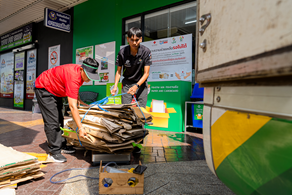
PT LPG “Turning Waste into Value” Project
The waste segregation project implemented at the Company’s service stations aims to promote awareness of environmental impacts among employees, customers, and surrounding communities, while establishing a systematic waste management approach through stakeholder engagement at the service stations. The project helps prevent waste generated from adversely affecting the health and hygiene of employees and customers, as well as the quality of the surrounding environment. In addition, the Company has collaborated with Donation HUB to convert all proceeds from the sale of recyclable waste into emergency funds to support disaster relief efforts.
In 2025, Collected and sold recyclable waste on a total of 55 occasions, with a combined weight of 8,827 kilograms. This reflects strong cooperation from employees and relevant stakeholders in waste segregation practices. Beyond waste management, the project delivers tangible social and environmental returns by creating added value through the conversion of waste into cumulative donations amounting to 25,571 baht.
GHG — Plan & Guidelines
Has a GHG Management Plan
Yes
Plan Description
Key plans | Year | Expected results |
Engage a consultant to provide advisory services for the preparation of the greenhouse gas inventory (GHG Inventory), appoint a verifier to verify accuracy, and designate responsible persons to carry out the operations and coordinate with various departments to prepare greenhouse gas data | 2026 | Procure a consultant, a verifier, and responsible persons to manage greenhouse gas data and coordinate with various units to prepare processes in accordance with the related work plan. Designate departments and responsible persons of each department required to collect greenhouse gas data to be used for calculation |
2027 | Review activities that generate greenhouse gases Scope 1 and 2 | |
2028 | Register with TGO (Thailand Greenhouse Gas Management Organization) | |
Train relevant employees and build knowledge and understanding of the methods for collecting data used for preparing the greenhouse gas inventory at least once per year | 2026 | Employees are trained on greenhouse gases used for preparing the greenhouse gas inventory and the methods for data collection |
2027 | Employees receive training on greenhouse gases used for preparing the greenhouse gas inventory and the methods for data collection | |
2028 | Employees receive training on greenhouse gases used for preparing the greenhouse gas inventory and the methods for data collection |
GHG — Emissions
GHG Emissions
| Metric |
|---|
| Total GHG emissions (Metric tonnes of carbon dioxide equivalent) |
| Total greenhouse gas emissions 1 (Metric tonnes of carbon dioxide equivalent) |
| Total greenhouse gas emissions 2 (Metric tonnes of carbon dioxide equivalent) |
| Total greenhouse gas emissions 3 (Metric tonnes of carbon dioxide equivalent) |
GHG — Emissions Verification
Emissions Verified by a Third Party
No
GHG — Principles & Standards
Principles & Standards Applied
| Standard |
|---|
| 2671 |
GHG — Targets
Has Set GHG Targets
No
GHG — Performance & Outcomes
Has Performance Results
No
Environmental Legal Incidents
Legal Violation Incidents
| Metric | Current Year | Previous Year | Two Years Ago |
|---|---|---|---|
| Number of cases or incidents of legal violations or negative environmental impact (cases) | 0 | 0 | 0 |
Employees — Plan & Guidelines
Has an Employee Management Plan
Yes
Plan Description
The Company recognizes the importance of human resource development and fair treatment of employees as key factors that enhance enterprise value, strengthen competitiveness, and support the Group’s sustainable growth in the future. The Group places great importance on respecting employees’ rights in accordance with human rights principles and complies with applicable labor laws. Fair recruitment processes and employment conditions are implemented, along with appropriate and equitable compensation based on employees’ capabilities. In addition, the Company maintains a fair performance evaluation system and provides suitable welfare and benefits for employees.
The Company also promotes personnel development by organizing training programs, seminars, and workshops, as well as supporting employees’ participation in external training and academic programs relevant to their roles. These initiatives aim to enhance employees’ knowledge, capabilities, and potential, while fostering positive attitudes, integrity, ethical conduct, and teamwork. The Company also provides channels for employees to express opinions or report concerns regarding unfair treatment or misconduct within the Group, and ensures protection for employees who report such matters. Furthermore, the Company places importance on occupational health, safety, and the working environment by promoting safety as a key priority within the organization.
Plan Areas
| Plan Area |
|---|
| Fair employee compensation |
| Employee training and development |
| Promoting employee relations and participation |
| Occupational health and safety in workplace |
Employees — Workforce
Workforce Data
| Metric | Current Year | Previous Year | Two Years Ago |
|---|---|---|---|
| Total number of employees (Persons) | 4,157 | 3,739 | 3,712 |
| Number of male employees (Persons) | 2,260 | 1,672 | 1,599 |
| Number of female employees (Persons) | 1,897 | 2,067 | 2,113 |
| Total employment of disabled persons (people) | 38 | 21 | 30 |
| Total disabled employees (people) | 10 | 21 | 7 |
| Total male disabled employees (people) | 3 | 11 | |
| Total female disabled employees (people) | 7 | 10 | |
| Total disabled workers who are non-employee (people) | 28 | 0 | 23 |
| Contributions to the fund for promoting and improving the quality of life for disabled persons | 1 | 1 | 1 |
| Total number of male employees in operational level (Persons) | |||
| Total number of male employees in management level (Persons) | |||
| Total number of male employees in executive level (Persons) | |||
| Total number of female employees in operational level (Persons) | |||
| Total number of female employees in management level (Persons) | |||
| Total number of female employees in executive level (Persons) |
Employees — Remuneration & Provident Fund
Remuneration & Provident Fund
| Metric | Current Year | Previous Year | Two Years Ago |
|---|---|---|---|
| Total disabled employees (people) | 822,889,456.79 | 712,982,857.27 | 580,705,592.92 |
| Total male employee remuneration (Baht) | 432,415,622.44 | 363,534,360.19 | 312,308,206.22 |
| Total female employee remuneration (Baht) | 390,473,834.35 | 349,448,497.08 | 268,397,386.7 |
| Number of employees eligible to participate in PVD (persons) | 1,956 | 1,641 | 1,412 |
| Total number of employees joining employee provident fund (Persons) | 201 | 143 | 95 |
| Percentage of total number of employees joining employee provident fund to total number of employees (%) | 4.84 | 3.82 | 3.24 |
| Number of PVD members / Total eligible employees (%) | 10.28 | 8.71 | 6.73 |
| Total amount of provident fund contributed by the Company (Baht) | 3,471,111 | 2,487,980 | 1,790,182.01 |
| Total amount of provident fund contributed by employee (baht) | 7,381,170 | 4,955,570 | 3,784,478.08 |
Employees — Training & Development
Training Data
| Metric | Current Year | Previous Year | Two Years Ago |
|---|---|---|---|
| Average employee training hours (Hours / Person / Year) | 18.9 | 36.41 | 8.81 |
| Employee development and training expenses (baht) | 4,137,040 | 4,055,261 | 6,501,698 |
Employees — Occupational Health & Safety
Occupational Health & Safety Data
| Metric | Current Year | Previous Year | Two Years Ago |
|---|---|---|---|
| Total number of lost time injury incidents by employees (Cases) | 4 | 12 | 13 |
Employees — Labour Relations
Labour Relations Data
| Metric | Current Year | Previous Year | Two Years Ago |
|---|---|---|---|
| Total voluntary resignations (Persons) | 3,296 | 3,489 | 2,834 |
| Male employees who voluntary resigned (Persons) | 1,900 | 1,896 | 1,524 |
| Female employees who voluntary resigned (Persons) | 1,396 | 1,593 | 1,310 |
| Percentage of employee turnover leaving the Company voluntarily (%) | 79.29 | 93.31 | 76.35 |
| Evaluation result of employee engagement | 1 | 1 | 1 |
Employees — Employee Representation
Introduction
The Company has established a Quality, Security, Safety, Occupational Health, and Environment Policy to serve as a framework for managing security, safety, occupational health, and environmental matters (SSHE) across the Group. This policy is regularly reviewed for relevance and effectiveness by the Safety, Occupational Health, and Environment Policy Oversight Committee to ensure proper operational control, service delivery, and continuous improvement. The Company has adopted this policy as a guideline for developing the Group’s SSHE management system under the PTG SSHE Management System (PTG SSHEMS). The objectives of the PTG SSHEMS are to achieve the following outcomes:
Zero Accident
Zero Environmental Claim
Zero Security Incident
Zero Process Safety Event
In addition, the Company conducts SSHE management system audits at least once a year, alongside audits against relevant international standards, including ISO 9001 (Quality Management System), ISO 14001 (Environmental Management System), and ISO 45001 (Occupational Health and Safety Management System). Furthermore, gas filling plants and gas storage facilities have implemented a Process Safety Management (PSM) system to ensure that operational safety management is effective, compliant with applicable requirements, and continuously improved.
Safety, Occupational Health, and Working Environment
2023 | 2024 | 2025 | |
Number of Lost Time Injury Cases (Times)1 | 13 | 12 | 4 |
Note: 1Coverage includes gas filling plants, gas depot, and LPG service stations.
Employees Are Represented Collectively
Yes
Forms of Representation
| Form |
|---|
| Welfare committee |
Employees — Targets
Has Set Employee Targets
No
Employees — Performance & Outcomes
Has Performance Results
Yes
Performance Description
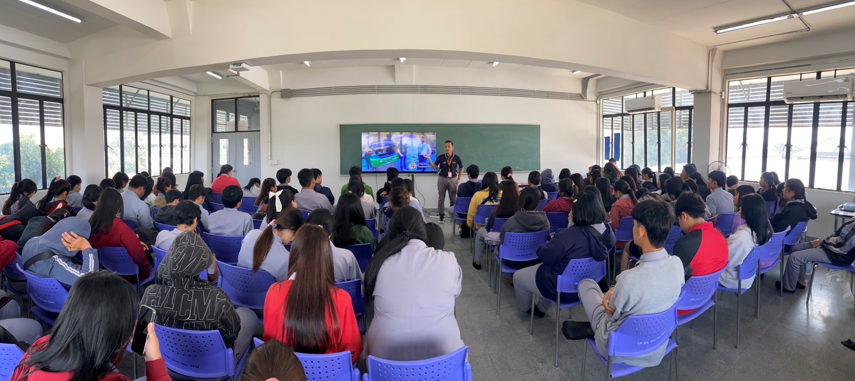
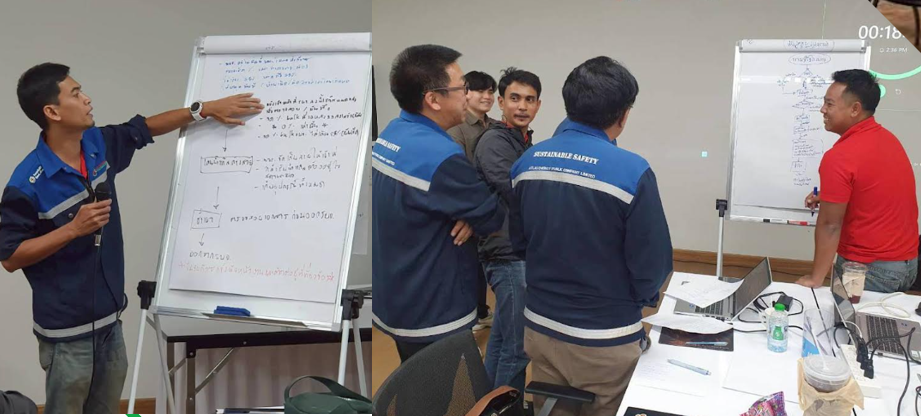
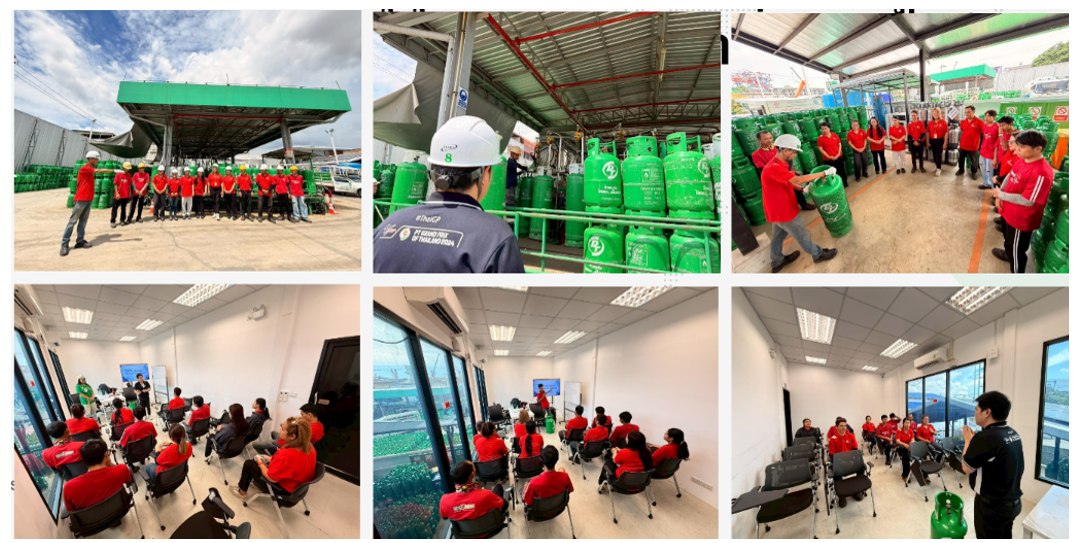
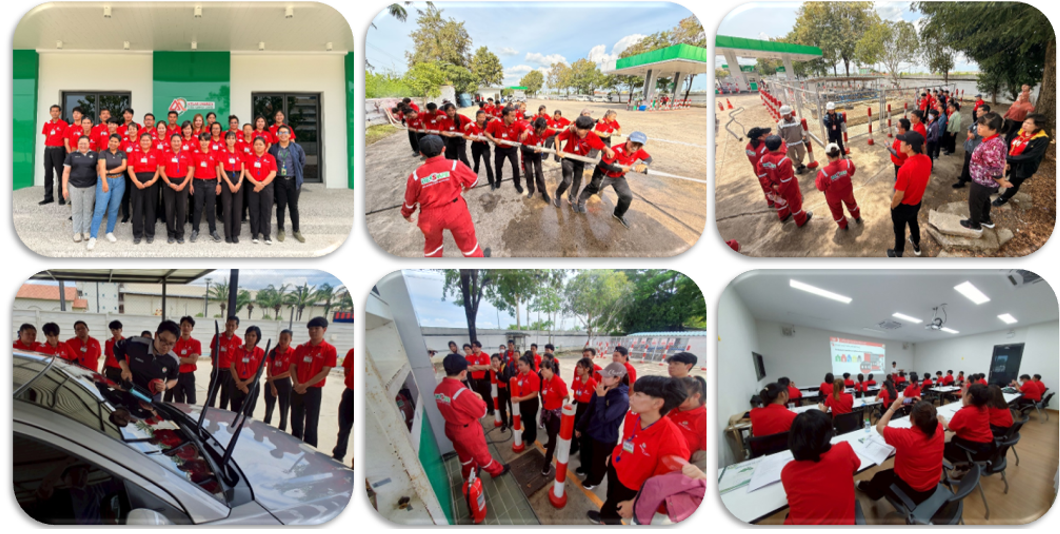
Recruitment of personnel through collaboration with educational institutions to conduct on-campus recruitment
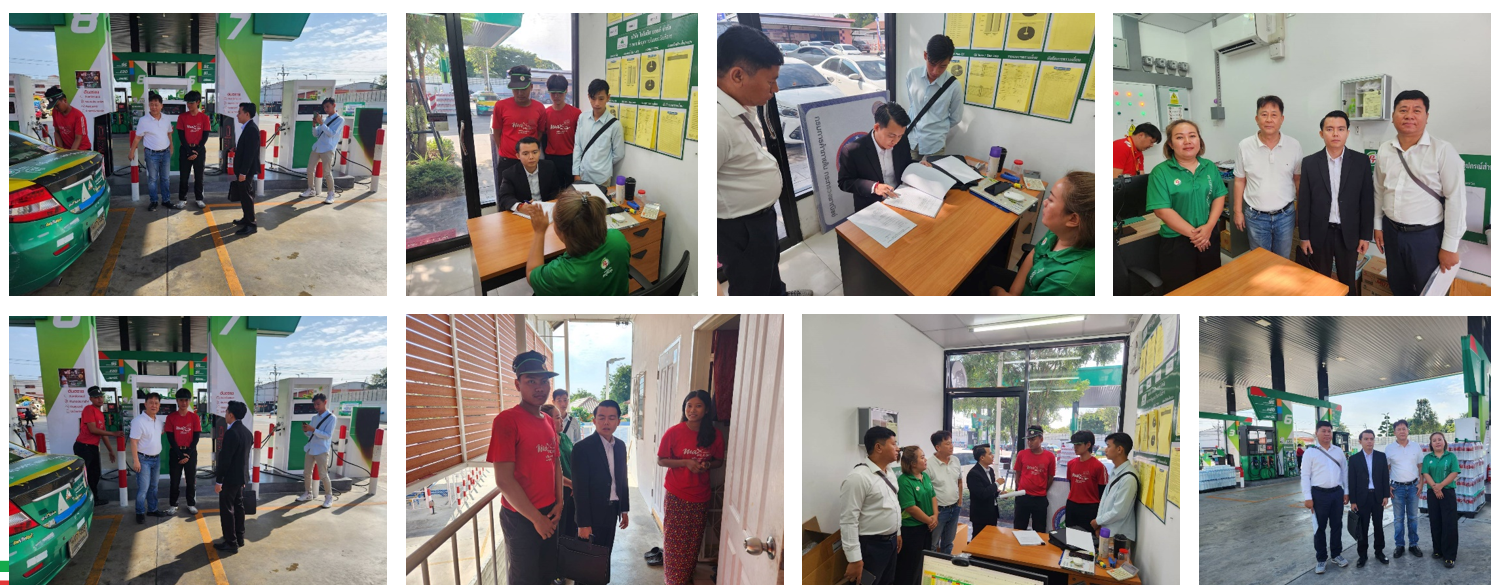
Management of Migrant Workers and Joint Inspections with Government Authorities
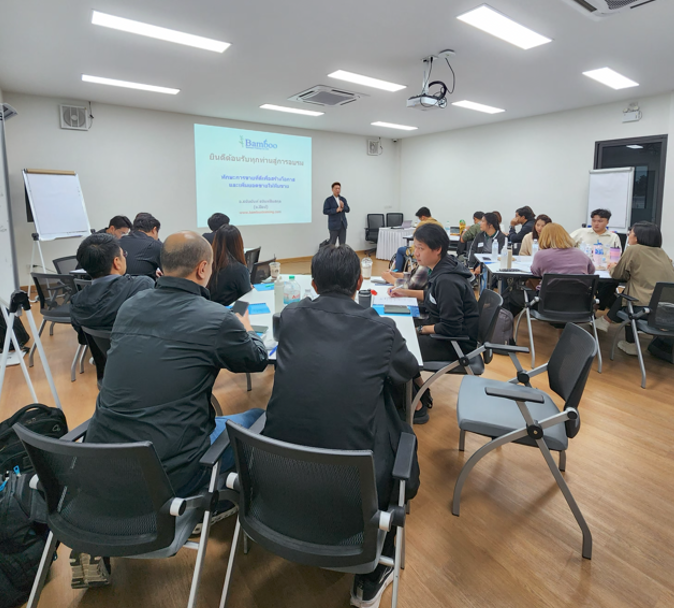
Employee Training for Both Head Office and Operational Staff

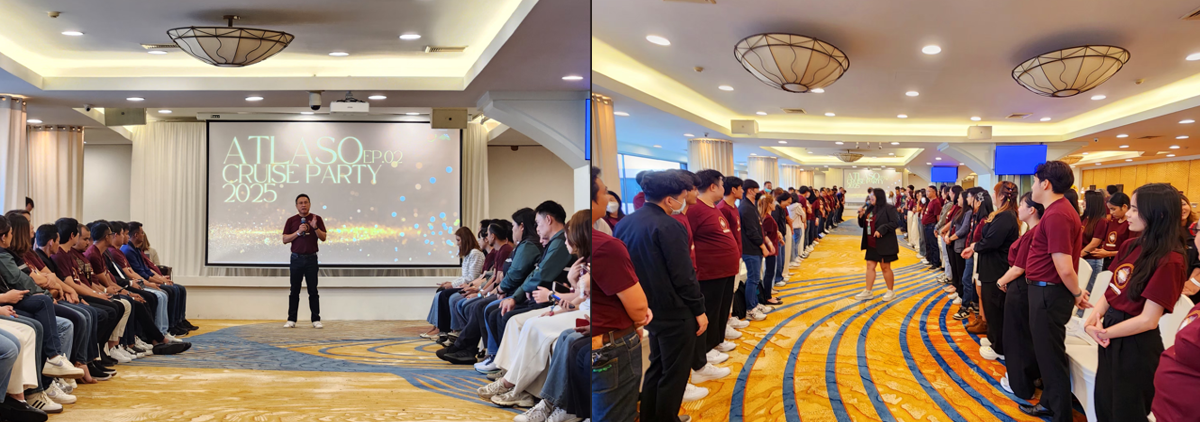
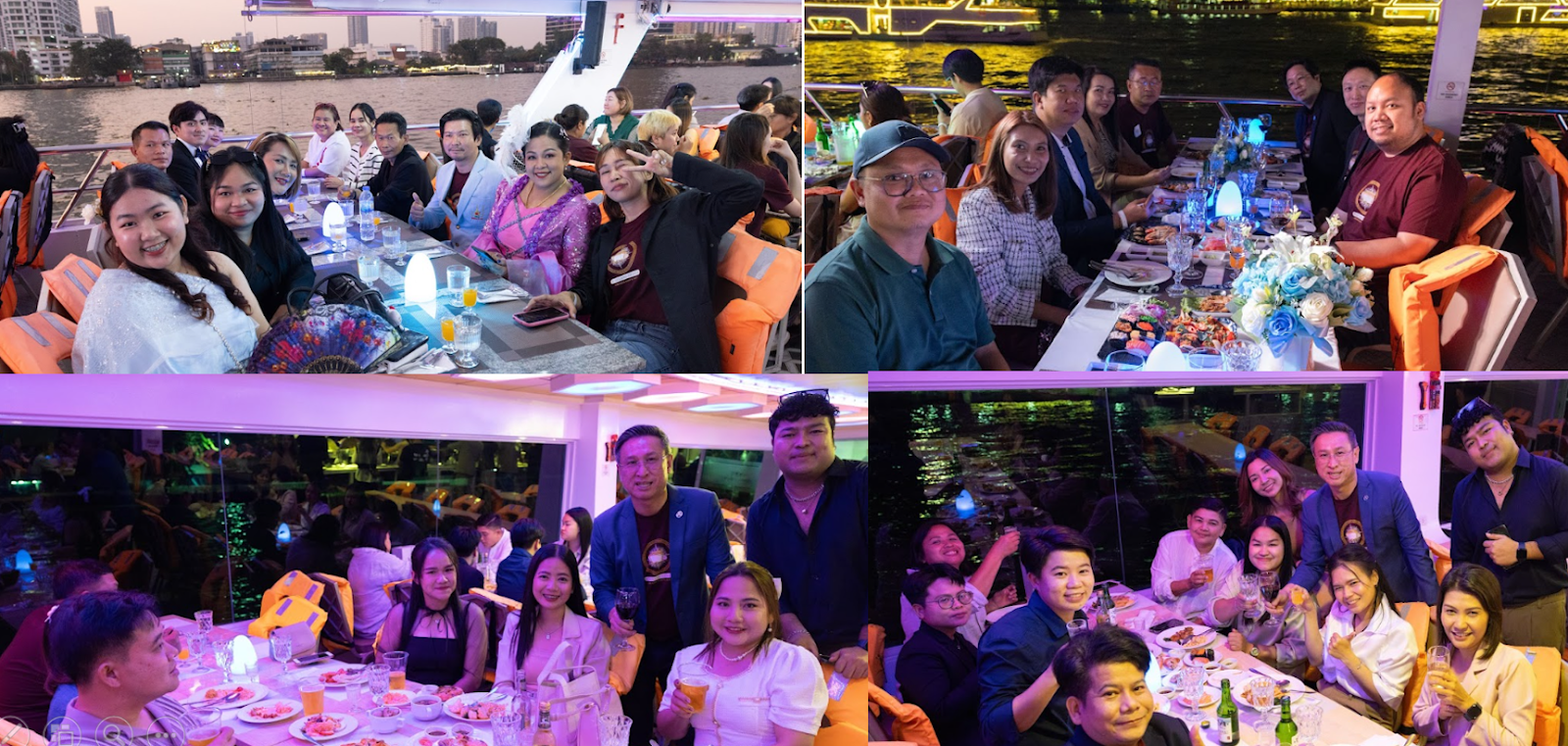
Activities to Strengthen Organizational Culture and Core Values

Customers — Plan & Guidelines
Has a Customer Management Plan
Yes
Plan Description
The Company is committed to continuously developing its products and services to maximize customer satisfaction and value. The Company upholds responsible, honest, and customer-centric practices in its engagement with customers, as outlined below:
The Company takes into consideration the quality and standards of its products. The Company focuses on producing products that are safe and meet international standards, including developing service management systems so that customers can use products and receive services of quality and obtain the highest satisfaction.
The Company has projects to continuously develop and create new products to respond to customer needs, so that customers can use a variety of products that are of quality, meet standards, and suit their needs. The Company adheres to fair marketing practices by having a policy to ensure that customers receive accurate information regarding the Group’s products and services, without distortion, ambiguity, or exaggerated advertising, so that customers have correct and sufficient information for decision-making.
The Company considers the safety of customers and is committed to ensuring that customers receive products and services that are of quality and safe in accordance with standards and safety regulations as required by law. The Company also continuously designs, creates, and develops products and services so that customers have confidence in the quality, standards, and safety of the Group’s products and services.
The Company provides a customer relationship system for communication with customers, including receiving complaints regarding the quality of products and services efficiently through Call Center 1614 and 02-032-8888, in order to respond to customer needs quickly.
The Company will keep customer information confidential and will not use such information for improper purposes.
Plan Areas
| Plan Area |
|---|
| Development of customer satisfaction and customer relationship |
Customers — Satisfaction Results
Customer Satisfaction Results
| Metric | Current Year | Previous Year | Two Years Ago |
|---|---|---|---|
| Evaluation results of customer satisfaction | 1 | 1 | 1 |
Customers — Targets
Has Set Customer Targets
No
Customers — Performance & Outcomes
Has Performance Results
Yes
Performance Description
Customer Satisfaction
| 2023 | 2024 | 2025 |
Customer Satisfaction Assessment Results for LPG Service Stations | 61.70% | 65.29% | 68.36% |
Customer Satisfaction Assessment Results for PT Gas shops | 71.01% | 70.67% | 73.86% |
Community & Social — Plan & Guidelines
Has a Community & Social Plan
Yes
Plan Description
The Company recognizes the importance of conducting its business to grow sustainably under Corporate Social Responsibilities (CSR) by focusing on operating the business with care and attention to stakeholders, the economy, society, and the environment with morality, ethics, and integrity. The Company expects that conducting business under social responsibility will bring benefits to the public together with the growth of the Company simultaneously.
Plan Areas
| Plan Area |
|---|
| Employment and professional skill development |
| Occupational health, safety, health, and quality of life |
Community & Social — Targets
Has Set Community & Social Targets
No
Community & Social — Performance & Outcomes
Has Performance Results
Yes
Performance Description
1.1 PT Taxi Transform Project
The PT Taxi Transform Project is a CSR in Process initiative that integrates social responsibility into the Company’s core business processes. It aims to help reduce operating costs for taxi drivers by supporting the conversion of the fuel system from NGV to LPG that meets standards and is safe, along with providing fuel discount privileges in order to create shared value in the economic, social, and environmental aspects sustainably.
1.2 PT Auto Transform Project
The PT Auto Transform Project aims to promote the conversion of vehicle fuel systems from NGV or conventional fuels to LPG. Under this initiative, the Company supports the installation of LPG systems with complete equipment through partner installation workshops that meet recognized standards and are officially certified by the Department of Land Transport, ensuring safety and user confidence.
In addition, participants in the project are entitled to fuel discount privileges for LPG refueling at PT gas service stations. This helps reduce long-term energy costs while promoting more efficient energy use.
The PT Auto Transform Project reflects the Company’s commitment to conducting business alongside social responsibility by creating shared value for the organization, consumers, and society through the development of sustainable and accessible energy alternatives.
1.3 Service Volunteer Activities at LPG and Oil Service Stations
The Company organized a Service Volunteer activity for customers visiting LPG and oil service stations. Special services were provided by members of the Board of Directors, executives, and employees, including windshield cleaning, tire pressure checks, and the distribution of drinking water and New Year 2025. The activity was held every Friday from December 2024 to January 2025.
2. Enhancing Quality of Life and Safety
2.1 Training on “Safe Use of Cooking Gas in Households and Business Establishments”
The Company organized training on “Safe Use of Cooking Gas in Households and Business Establishments” for business operators at Chatchawan Khlong 7 Market, Lam Luk Ka District, Pathum Thani. The training was conducted by the Company’s safety and environmental training team to enhance knowledge and awareness of safe practices in the use of cooking gas, as well as to build confidence among operators in the safe and proper use of cooking gas.
2.2 ATLAS Energy “GIVE A GIFT” Project
The Company supports lunch meals, PT cooking gas, and scholarships for youth, while also instilling knowledge about waste separation in order to reduce community waste by participating in public benefit activities to pass on happiness to students and the Makham community at Wat Wang Cha-ai School, Makham Subdistrict, Makham Mueang Mai District, Chanthaburi Province. The Company supports scholarships, sports shirts, and PT cooking gas for preparing lunch. In addition, in 2025, the Company participated in supporting lunch meals, PT cooking gas, and gifts for children at the Children’s Day event at Ban Krai Kriang Border Patrol Police School, Si Sawat District, Kanchanaburi Province. There was also waste separation training conducted by the Wongpanit team, Phichit Municipal Branch, and training on household cooking gas safety for youth (Safety Junior) conducted by the Safety Department of the PTG Energy Group in areas near the gas filling plant and the Wachirabarami gas depot in Phichit Province.
The Company organized a drawing and coloring competition to award educational scholarships, together with training sessions on the safe use of household cooking gas and activities to promote waste segregation at Rattanajinauthit School, Bangkok. Scholarships and certificates were presented to prize-winning students, along with Safety Junior shirts. The Company also donated a projector, educational materials, and segregated waste bins to support the school’s learning environment. The activity was supported by TOA Paint (Thailand) PCL, a leading innovator in comprehensive paint solutions, which provided paint materials and collaborated in transforming the winning artworks into mural paintings on the walls of the PT gas filling plant at the Suksawat Branch. These murals aim to raise awareness of safe household cooking gas usage among local community members and the general public.
“Igniting Livelihoods” Program
The Company provided 10 food carts and essential food vending equipment in the initial phase, along with PT cooking gas products and 10 cartons of Meesuk palm oil, to underprivileged individuals selected by the Duang Prateep Foundation. The program aims to support livelihood creation and income generation within three communities: Khlong Toei, Prawet, and Phra Khanong districts. Beneficiaries are able to utilize the food carts to establish their own occupations, generate sustainable income, and improve their quality of life. The Company plans to expand the program to additional communities in the future.
Additionally, all participants received special membership privileges through the PT MAX CARD PLUS, providing cooking gas discounts for one year, as well as benefits on other PT Group products, including fuel, automotive LPG, and Punthai Coffee. The Company also contributed a cash donation of THB 10,000 and UHT plain milk products valued at THB 5,000 to support ongoing community and social development initiatives in collaboration with the Duang Prateep Foundation.
3. Disaster Relief and Emergency Assistance
Support of PT Cooking Gas for Flood Victims
The Company, together with PPP Green Complex Public Company Limited, supported PT cooking gas cylinders of 15 kilograms, totaling 10 cylinders, along with Mee Suk palm oil, totaling 10 cartons, for use in preparing food to be distributed to flood victims and volunteers at the kitchen of Wat San Pa Yang, Chiang Rai Province.
The Company, together with the Phetkasem Foundation, supported PT cooking gas cylinders of 48 kilograms, totaling 4 cylinders, for use in preparing food to be distributed to flood victims and volunteers at the Disaster Response Kitchen at the Yuwawan training ground, Mae Sai Police Station, Chiang Rai Province.
In addition, the Company also supported PT cooking gas cylinders of 4 kilograms, totaling 100 cylinders, together with the “Ejan” page under the project EjanSubTukChiangRai, to deliver them to flood victims so that they can recover and be able to get back on their feet again and overcome this crisis.
Opening donation channels together with the Mirror Foundation for flood victims
In order to assist flood victims in Chiang Rai Province, the Company, together with the Mirror Foundation, opened channels to receive donations of new or second-hand electrical appliances, along with equipment and cleaning chemicals, to accelerate the restoration of the affected areas. Donation items were accepted at 5 branches of the Company’s service stations, namely Pratunam Phra In Branch, Prawet Branch (Soi On Nut 65 entrance), Thepharak Km.12 Branch, Khlong Sam (Khlong Luang) Branch, and Patthawikon Branch. In addition, the Company also supported fuel cards for the Mirror Foundation valued at THB 50,000 to deliver donated items to flood victims.
Support for Rescue Personnel During Earthquake Response
The Company, in collaboration with PPP Green Complex PCL, provided cooking gas and essential supplies to support rescue personnel during search and rescue operations following the earthquake on 28 March 2025. The support included 31 cylinders of 15-kilogram cooking gas, 10 cylinders of 48-kilogram cooking gas, and 20 cartons of palm oil for meal preparation at the Royal Thai Army’s royal kitchen, benefiting rescue teams and affected communities.
4. Medical
4.1 Donation for purchasing medical equipment to the Bhumibol Adulyadej Hospital Foundation
b The Company, together with the Ying Charoen Market Foundation, visited to present a donation to support the purchase of medical equipment in the amount of THB 50,000 to the Bhumibol Adulyadej Hospital Foundation. The donation was received by Air Chief Marshal Phanphakdee Phatthanakun, Commander-in-Chief of the Royal Thai Air Force, at the Boriphat Room, Royal Thai Air Force Club, following the charity running event “Wing Tid Peek Charity Run – 2nd Edition: Running to Continue Father’s Royal Aspiration.”
4.2 Blood Donation in Honor of the King
On July 8, 2024, the Group, led by Mr. Suwatchai Pitakwongsaporn, Managing Director, together with the management team and employees, participated in a blood donation in dedication as a royal merit on the auspicious occasion of the 6th Cycle Birthday Anniversary of His Majesty the King. The activity was conducted together with the Office of the Securities and Exchange Commission (SEC) and partners in the capital market under the Capital Market Blood Donation Merit Project, in order to express loyalty and gratitude for His Majesty’s royal benevolence. The National Blood Centre of the Thai Red Cross Society kindly provided a mobile blood donation unit at the SEC Office Building. This blood donation activity aimed to help patients awaiting treatment and to address the shortage of blood in emergency situations.
4.3 PT LPG “Good Waste, Valuable Waste” Project in collaboration with the Thai Red Cross Society and Waste Buy Delivery
Waste separation bins were installed at PT LPG service stations in the Bangkok and metropolitan areas, as well as at the Thai Red Cross Society, totaling 23 locations. The total proceeds from the sale of recyclable waste, amounting to THB 100,000, were donated to the Thai Red Cross Society under the Thai Red Cross Society Emergency Fund for Disaster Relief.
Operating Results: Other Social Management Outcomes
Support of PT Cooking Gas to Assist Society from Disaster Events and National Defense
Royal Kitchen from the earthquake incident in Bangkok
Foundation kitchen / evacuation centers / military camps from the unrest situation in the Thailand–Cambodia border area (1st incident)
Foundation kitchen / evacuation centers from the southern flood incident
WashXpress Thailand shops
Foundation kitchen / evacuation centers / military camps from the unrest situation in the Thailand–Cambodia border area (2nd incident)
Other Social Management
Plan & Outcomes — Description
The Company is committed to conducting its business in parallel with caring for society and the environment through social development initiatives covering three key dimensions, as outlined below:
1. Social Dimension: Enhancing quality of life and safety, with a focus on building strong foundations for youth and communities. Initiatives include supporting access to education through the provision of educational opportunities, learning materials, and school lunches to promote physical and cognitive development. The Company also supports community health through the provision of medical equipment and health check-up programs. In addition, the Company places strong emphasis on safety through the “Safety Junior” program, which aims to instill safety awareness among youth, thereby enhancing overall well-being and quality of life within communities.
2. Environmental Dimension: Fostering environmental awareness, particularly among youth. The Company emphasizes raising environmental awareness through campaigns and educational activities focused on waste separation and resource conservation, in order to cultivate a “green mindset” among younger generations. The Company also supports natural resource conservation activities in schools and communities to promote a healthy and sustainable environment.
3. Economic Dimension: Building a community economic foundation, focusing on the development of infrastructure necessary for living and learning, such as the development of water sources and the improvement of the environment in schools in order to facilitate learning and occupations, including promoting income-generating activities so that schools and communities can be self-reliant, which will lead to economic strength at the grassroots level.
Law Violation Incidents
Law Violation Incidents
| Metric | Current Year | Previous Year | Two Years Ago |
|---|---|---|---|
| The total number of cases or incidents of significant violations of laws or regulations regarding social and human rights (Cases) | 0 | 0 | 0 |
| The total number of cases or incidents that cause significant labor disputes (Cases) | 0 | 0 | 0 |
| The total number of cases or complaints related to consumer rights violations (Cases) | 0 | 0 | 0 |
| The total number of cases or complaints related to partner rights violations (Cases) | 0 | 0 | 0 |
| The total number of cases or incidents that cause disputes with the community/society (Cases) | 0 | 0 | 0 |
| The total number of cases or incidents related to cyber security or customer data breaches (Cases) | 0 | 0 | 0 |
| The total number of cases or incidents related to safety and occupational health at work (Cases) | 0 | 0 | 0 |